- info@valdorart.com

How to Draw Hair – A Clear, Step-by-Step Method
Friday, January 16, 2026
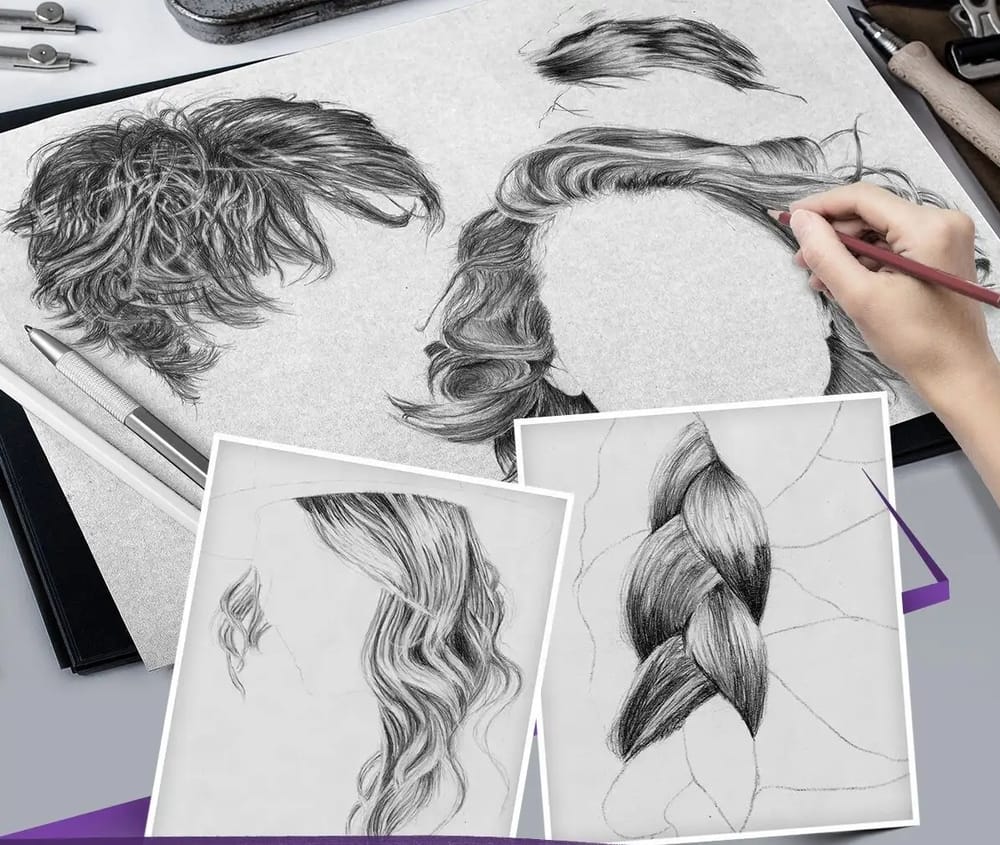
For many artists, hair is one of the most challenging parts of drawing a portrait.
A common mistake is trying to draw hair as one solid shape — or getting lost in details too early.
The good news? Drawing hair is a learnable, logical process.
If you approach it step by step, hair becomes structured, controllable, and expressive.
In this article, I’ll show you a 3-step system that makes drawing hair much easier and more enjoyable.
The Hair Drawing Process – 3 Key Steps
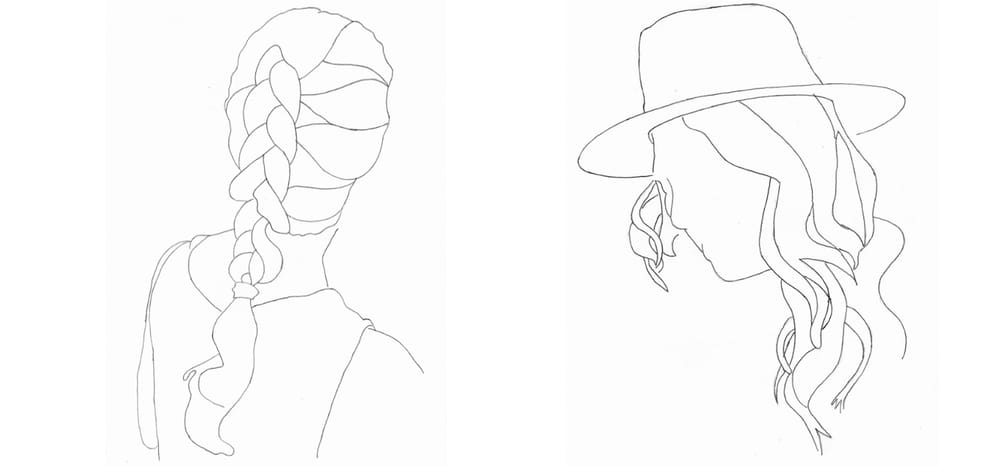
1. Create a Hair Section Map
Hair should never be drawn as one single mass.
The first step is to divide the entire hairstyle into smaller sections.
These sections form what we call a hair map.
A hair section can be:
✔ a clearly visible hair lock
✔ a larger hair shape
✔ or even a change in tone that separates one area from another
Think of this as drawing a map of the hair.
This helps you:
✔ stay organized
✔ avoid being overwhelmed by details
✔ keep the overall hairstyle under control
Goal: break the full hair shape into clear, manageable areas.
2. Build the Hair Volume – One Section at a Time
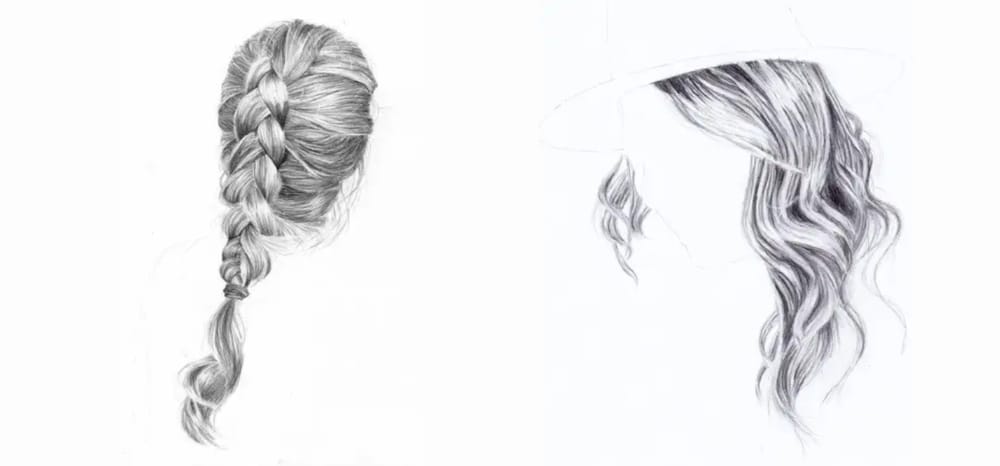
Once your hair map is ready, focus on only one section at a time.
At this stage:
✔ use a very sharp pencil
✔ usually a 2B pencil
✔ draw many thin, fine lines to build the hair texture
Important:
✔ tone is not the focus yet
✔ your goal is to establish direction, flow, and volume
✔ hair strands can be:
• thin or thick
• straight, wavy, or curly
• short or long
Careful observation is key — these qualities bring life to your drawing.
3. Shading – Light, Depth, and Contrast
Once the hair volume of a section is complete, it’s time to shade.
In this step:
✔ darken areas using a 5B or 8B pencil
✔ lift highlights with:
• a precision eraser
• or a kneaded eraser
Observe:
✔ how tones change within a single section
✔ where the lightest and darkest areas are
✔ how each section compares to the neighboring ones
When one section is finished, move on to the next:
build the volume first, then shade.
This section-by-section workflow keeps the process calm and controlled.
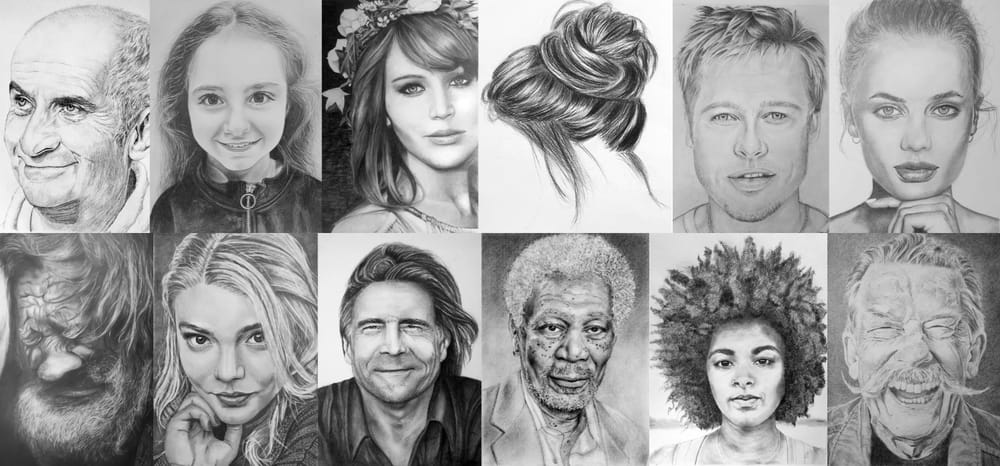
The 3 Most Important Observation Points
✔️ Think in shapes and sections
✔️ Work one hair section at a time
✔️ Observe light and dark relationships carefully
When you follow this system, drawing hair stops being frustrating —
it becomes a clear, logical, and creative process.
Credo
You're capable of more than you think.